Modern cloud environments move fast. Servers deploy instantly, configurations change daily, and services scale automatically. While this flexibility drives innovation, it also creates operational complexity. Without clear cloud infrastructure documentation, teams lose visibility into how systems connect, who owns what, and how services should be maintained. Documentation quickly becomes outdated, incidents take longer to resolve, and onboarding slows down. Today, documentation must support daily operations, not sit unused in shared folders. This post explains how to build documentation that actively supports cloud operations and keeps pace with modern infrastructure.
What Cloud Infrastructure Documentation Really Includes Today
Cloud documentation is no longer just PDFs or static diagrams. It should give engineers immediate operational context. Effective documentation typically includes:
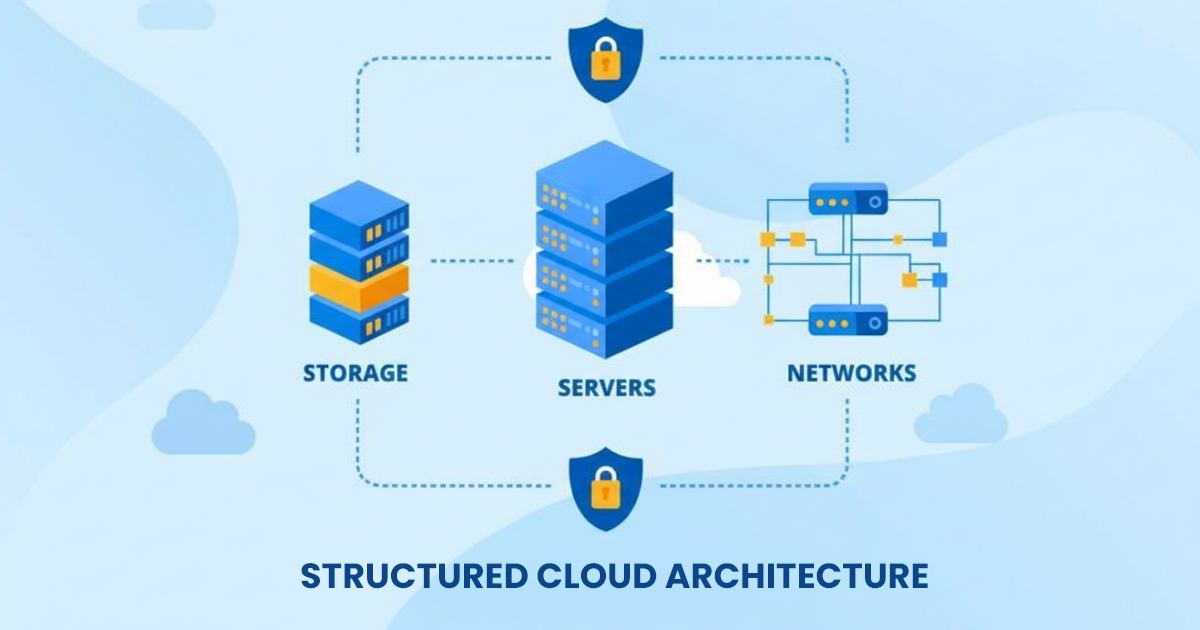
- Architecture diagrams with logical and physical views of services and dependencies
- Infrastructure-as-Code references linked to Terraform, CloudFormation, or Pulumi repositories.
- Network flows and dependency maps showing how services communicate
- Identity, access, and permissions mapping that clarifies permissions.
- Monitoring, logging, and alerting references such as dashboards, logs, and escalation paths
Together, these elements create documentation that reflects the real operational state of cloud infrastructure rather than a static snapshot.
Why Traditional Documentation Fails in Dynamic Cloud Environments
Most traditional documentation approaches were initially built for static systems such as static servers and manual deployment. They fall short in the dynamic cloud environment. Here are some reasons.
- Ephemeral resources and auto-scaling: Resources scale up and down continuously. Manual updates fall behind quickly.
- CI/CD-driven infrastructure changes: CI/CD pipelines introduce frequent changes. Documentation often becomes outdated within days.
- Documentation drift vs. actual state: When architecture diagrams and infrastructure documentation no longer match reality, teams stop trusting them.
- Multi-cloud and hybrid complexity multiplies the problem: Many organizations operate across AWS, Azure, and on-prem environments. Information becomes fragmented across tools and teams.
For documentation to stay useful, it must evolve alongside the infrastructure it describes.
Cloud Infrastructure Documentation as an Operational Dependency
Cloud infrastructure documentation now directly impacts reliability and response time.
- Incident response and MTTR: Mean time to resolution (MTTR) is directly tied to how quickly engineers can understand the affected system. Engineers resolve issues faster when architecture details, dependencies, and runbooks are easy to locate.
- Safer On-call handovers: On-call rotations and shift handovers become risky when documentation is unclear or incomplete. Clear cloud documentation helps rotating engineers understand ownership, workflows, and escalation paths quickly.
- Disaster recovery readiness: Recovery plans only work when infrastructure procedures and configurations are clearly documented and easy to access during high-pressure situations.
When documentation is organized and accessible, teams spend less time searching for context and more time solving problems.
Security, Compliance, and Audit Readiness Through Cloud Infrastructure Documentation
Cloud infrastructure documentation plays a direct role in security governance and compliance readiness. During audits, teams must quickly prove control over access, architecture, and operational processes.
- Maintain access visibility: Auditors often ask who has administrative access and when permissions were reviewed. Clear documentation of roles and ownership provides immediate answers.
- Network segmentation documentation: Updated architecture diagrams and network documentation help verify isolation of sensitive workloads and security boundaries.
- Evidence generation: When infrastructure information is organized in one place, teams avoid collecting screenshots and scattered records during compliance reviews.
Designing Cloud Infrastructure Documentation That Stays Accurate Over Time
Cloud documentation stays valuable only when teams treat it as part of daily operations rather than a one-time project. Practical approaches include:
- Assign documentation ownership: Each system or service should have a responsible team or owner.
- Align documentation with infrastructure workflows: Documentation should reference Infrastructure-as-Code outputs and deployment processes, so teams always know where to find accurate architecture details.
- Schedule regular reviews: Quarterly reviews help ensure diagrams, runbooks, and dependency information remain reliable.
- Test documentation usability: New engineers should be able to follow runbooks without additional explanation. If they cannot, documentation needs improvement.
Common Cloud Infrastructure Documentation Mistakes IT Teams Should Avoid
Some common pitfalls slow teams down instead of helping. Here are a few patterns that consistently cause problems.
- Over-documenting low-risk systems instead of focusing on critical services
- Tool sprawl, where knowledge lives across multiple platforms
- No single source of truth, leading to conflicting information
- Onboarding documentation that assumes prior knowledge
ROI and Business Impact of Cloud Infrastructure Documentation
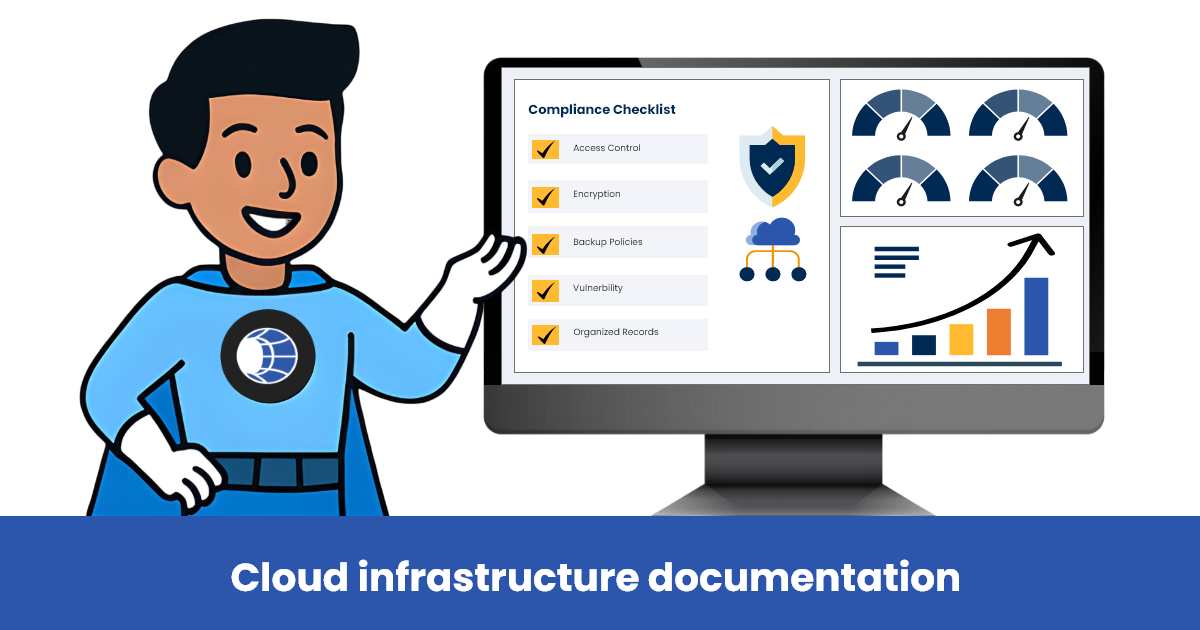
Effective cloud infrastructure documentation delivers measurable operational value. Instead of extensive reporting, most organizations see impact in a few key areas.
- Faster Incident Resolution: Clear system visibility reduces troubleshooting time and helps teams restore services faster.
- Faster Compliance Preparation: Centralized documentation reduces manual evidence collection and shortens audit preparation timelines.
- Faster Onboarding: New engineers become productive sooner when architecture and procedures are easy to understand.
- Reduced Security Risk: Documented access and dependencies help teams investigate incidents and limit exposure faster.
- Better Engineering Efficiency: Teams spend less time searching for information and more time delivering improvements.
In most environments, these gains outweigh documentation platform costs within the first year.
Why Choose IT Portal?
IT Portal makes cloud infrastructure documentation practical by centralizing and organizing infrastructure knowledge in one secure platform. Here's what sets it apart.
- Centralized documentation that brings diagrams, assets, SOPs, and configurations together
- Linked operational context connecting infrastructure details with procedures and credentials
- Reduced tribal knowledge so critical information stays with the organization, not individuals
- Structured documentation workflows that maintain consistency across teams and environments
- Secure access controls that ensure the right people see the right information
Rather than replacing existing tools, IT Portal acts as a central documentation hub that connects infrastructure knowledge with day-to-day operations.
Simplify Your Cloud Infrastructure Documentation
Cloud infrastructure documentation should help your team move faster, stay compliant, and reduce operational risk, not create additional overhead.
Book a demo: See how IT Portal centralizes and simplifies cloud documentation.